
Landscape Lighting Kits: What They Include and How to Choose the Right One
Landscape lighting kits bundle everything a homeowner needs to light a yard into a single purchase. A typical kit includes fixtures, a power source, and the cable and connectors that tie it all together, so you do not have to source each part separately or worry about mismatched voltages. For most people tackling a first lighting project, a kit is the fastest and cheapest way to get a professional look without hiring an electrician.
The trade-off is flexibility. Kits lock you into a specific fixture style and a set number of lights, which works well for a standard walkway or garden bed but can feel limiting if you have an unusual yard or want to expand later. This guide breaks down what is actually inside these boxes, what they cost, and how to choose one that will still perform a few winters from now.
What Is Actually Inside a Landscape Lighting Kit
Before you compare brands, it helps to know what you are paying for. Most landscape lighting kits contain the same four components, and the quality of each one is what separates a $40 box from a $400 one.
Fixtures. This is the visible part — path lights, spotlights, well lights, or a mix. Budget kits usually include 6 to 10 plastic-bodied fixtures. Mid-range kits use aluminum or brass housings, which survive freezing winters and direct sun far better than plastic that turns brittle after two or three seasons.
A transformer. Low-voltage kits run on 12 volts and need a transformer to step standard 120-volt household current down to a safe level. Transformers are sized in watts, and the rule is simple: total fixture wattage should not exceed about 80 percent of the transformer’s rating. A 60-watt transformer comfortably runs eight to ten 4-watt LED fixtures.
Cable. Landscape wire is typically 12-gauge or 14-gauge stranded copper, rated for direct burial. Thicker 12-gauge carries current farther with less voltage drop, which matters on runs over 100 feet.
Connectors and stakes. Kits include quick-connect or clamp-style connectors that pierce the cable insulation, plus ground stakes to hold path lights upright.
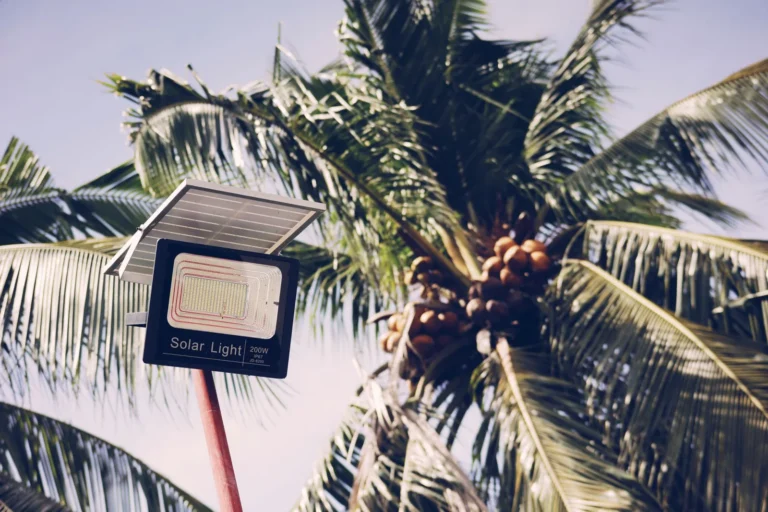
Solar kits are the exception to this list. They skip the transformer and cable entirely because each fixture carries its own small panel and rechargeable battery. You simply push the stake into the ground.
Solar Kits vs. Low-Voltage Kits: A Real-World Comparison
The single biggest decision is whether to go solar or 12-volt low-voltage. Both have fans and both have real limits, so the right answer depends on what you want the lights to actually do.
| Feature | Solar Kits | Low-Voltage Kits |
|---|---|---|
| Upfront cost | $20–$100 for 6–10 lights | $35–$120 for entry-level; $200–$500 for quality LED |
| Installation | Push stakes into the ground, no wiring | Bury cable, connect transformer, plug in |
| Brightness | Dim, warm glow (5–30 lumens) | Bright and adjustable (50–500+ lumens per fixture) |
| Reliability | Dependent on sun; weak in winter and shade | Steady output, works every night regardless of weather |
| Longevity | 1–3 years before batteries fade | 10–20 years on good LED systems |
| Best for | Accent lighting, renters, quick weekend projects | Walkways that need real illumination, security, front-yard curb appeal |
Solar kits are genuinely plug-and-play and cost almost nothing to run. The catch is brightness and consistency. Even well-reviewed solar path lights rarely put out more than 30 lumens, and output drops sharply in winter when days are short or when panels sit under trees. If you live in the northern half of the US or have a heavily shaded yard, plan on a solar kit being decorative rather than functional.
Low-voltage kits cost more and take an afternoon to install, but they produce consistent, bright light on demand. Because an LED low-voltage system draws only a few watts per fixture, the operating cost is minimal — often less than a dollar a month even with 10 fixtures running for six hours nightly. For a deeper cost breakdown by project scope, see our guide to landscape lighting cost.
Photo by MART PRODUCTION via Pexels
How Much Do Landscape Lighting Kits Cost?
Kit prices track fixture build quality and whether the system is LED or halogen. Here is an honest breakdown by tier:
- $20–$60 (solar): 6 to 10 plastic path lights with weak solar panels. Fine for a soft accent glow, poor for actual illumination.
- $40–$120 (budget low-voltage): 6 to 8 plastic fixtures, a small 45-watt transformer, and thinner 16-gauge cable. The transformer is often the weak link and fails first.
- $130–$350 (mid-range LED): 6 to 10 aluminum or brass fixtures, a 60- to 120-watt transformer, and 14-gauge cable. This is the sweet spot for most homeowners.
- $350–$900+ (pro-grade): Solid brass fixtures from brands like Volt Lighting, FX Luminaire, or Kichler, often with a stainless-steel transformer and a lifetime fixture warranty. These are the kits a landscaper would install.
Halogen kits are cheaper up front but more expensive to run. A 20-watt halogen bulb costs several dollars a month per fixture in electricity and burns out every couple of years, while a 4-watt LED delivers the same light for a fraction of that. For a complete comparison of the two technologies over time, check out our breakdown of low-voltage lighting cost.
Choosing the Right Transformer for Your Kit
If you buy a low-voltage kit, the transformer is the component most likely to cause problems — either because it is undersized or because buyers try to expand later. Get this part right and the rest of the system almost runs itself.
The math is straightforward. Add up the wattage of every fixture you plan to run, then multiply by 1.25 to leave headroom. For example, eight fixtures at 4 watts each totals 32 watts; times 1.25 gives 40 watts, so a 45-watt transformer is about the minimum. If you think you may add more lights later, buy a transformer rated at least 40 percent higher than your current load.
Most mid-range kits ship with a photocell that turns the lights on at dusk automatically, and many include a timer or dimmer. Look for a transformer with multiple voltage taps (typically 12V, 13V, 14V, and 15V) — these let you compensate for voltage drop on long cable runs by boosting the output slightly. We explain how transformers are sized and wired in detail in our article on landscape lighting transformers.

Photo by Castorly Stock via Pexels
Installation Basics You Can Handle Yourself
Installing a low-voltage kit is a one-person weekend project that requires no permit in most areas, precisely because 12 volts is safe to work with. The steps are worth knowing before you buy, since they determine how much cable and how many stakes you actually need.
Lay out the fixtures first, spacing path lights 6 to 8 feet apart and keeping spotlights a few feet from the trees or walls they are aimed at. Then run the cable along your layout with a little slack at each fixture. Use clamp or quick-connect fittings to tap the main cable, and push each fixture’s stake firmly into the soil. Finally, bury the cable 3 to 6 inches deep and plug the transformer into a GFCI outlet.
The two most common DIY mistakes are shallow burial and skipping the headroom calculation. Cable that sits on top of the soil gets sliced by lawn equipment, and an undersized transformer dims the fixtures farthest from the power source. Taking the time to size the transformer and bury the wire properly is the difference between lights that last a decade and lights that flicker out in a year.
What to Look For Before You Buy
Not all landscape lighting kits are created equal, and a few features are worth paying extra for. Use this short checklist when comparing boxes:
- Fixture material. Aluminum or brass over plastic. Plastic yellows and cracks; brass develops a patina and lasts decades.
- LED over halogen. LEDs use 80 percent less power, run cool, and rarely need bulb changes.
- Transformer headroom. At least 25 percent more capacity than your current wattage, more if you plan to expand.
- Connector type. Clamp-style or sealed quick-connects hold up better than cheap pierce-point taps that corrode.
- Warranty. Pro-grade kits carry 5-year or lifetime fixture warranties; budget kits often carry none.
- Warm color temperature. A 2700K to 3000K warm white looks inviting on homes and landscaping, while 4000K and above reads cold and commercial.
Frequently Asked Questions
Are landscape lighting kits worth the money?
For most homeowners, yes. A quality low-voltage kit costs less than buying the transformer, cable, and fixtures separately, and it removes the guesswork of matching components. The value drops if you buy a cheap solar kit and expect it to light a dark walkway — it will not.
How long do landscape lighting kits last?
Cheap solar kits last one to three years before the batteries degrade. A well-built low-voltage LED kit can last 10 to 20 years, with brass fixtures and a quality transformer often outliving the house’s other outdoor hardware.
Can I add more lights to my kit later?
Usually, provided the transformer has spare capacity. If your kit came with a 45-watt transformer and you are only drawing 32 watts, you have room for two or three more low-wattage LED fixtures on the same run.
Do landscape lighting kits need an electrician?
Low-voltage kits do not, in most jurisdictions, because 12-volt systems are exempt from the electrical code requirements that apply to line-voltage wiring. You still need an outdoor GFCI outlet to plug the transformer into, which may require an electrician if none exists near the yard.
What is the difference between a kit and buying fixtures separately?
A kit is pre-matched for voltage, wattage, and connector type, which saves time and prevents mistakes. Buying separately gives you unlimited fixture choice and lets you size the transformer for a specific, often larger, layout — at a higher cost and with more planning.
The Bottom Line
A landscape lighting kit is the smart starting point for most homeowners who want a lit yard this weekend rather than a parts order that takes two weeks to assemble. Buy a mid-range low-voltage LED kit with aluminum or brass fixtures and a transformer sized with extra headroom, and you will get a system that looks sharp, costs pennies a month to run, and holds up for a decade or more.
Skip the bottom-shelf solar kits unless you only want a soft decorative glow and are comfortable replacing the set every couple of years. Whatever you choose, invest the little bit extra in a warm 2700K LED system and a transformer you can grow into — those two decisions matter more than any brand name on the box.
For more guidance on pricing out the full project, start with our landscape lighting cost breakdown or read up on low-voltage lighting costs before you buy. For buying advice from professionals, see This Old House’s guide to outdoor lighting and Family Handyman’s tips on low-voltage landscape lighting.