
Gutter Installation Cost Per Linear Foot: What You’ll Pay in 2026
If you’re pricing new gutters, the first number every contractor will quote is the gutter installation cost per linear foot. That single figure drives almost your entire project budget, and it swings wildly depending on what your gutters are made of. A home wrapped in vinyl gutters can cost less than half as much as the same roofline finished in copper.
For most single-family homes in the US, expect to pay between $4 and $40 per linear foot installed. That range is so wide because “gutter” covers everything from a basic vinyl trough you can hang in an afternoon to a hand-soldered copper system that lasts a century. A typical 150- to 200-linear-foot job lands between $1,100 and $2,800 total, with the national average sitting around $2,300 for seamless aluminum.
In this guide, I’ll break the cost down by material, explain what pushes the price up or down, and show you where homeowners waste money — and where spending more actually pays off.
Average Gutter Installation Cost Per Linear Foot by Material
The single biggest factor in the gutter installation cost per linear foot is the material itself. Here’s what you’ll typically pay, installed, as of 2026.
| Material | Cost Per Linear Foot (Installed) | Lifespan | Best For |
|---|---|---|---|
| Vinyl | $4–$8 | 10–20 years | Budget jobs, mild climates |
| Aluminum (sectional) | $6–$12 | 20–25 years | Most homes, DIY-friendly |
| Aluminum (seamless) | $8–$15 | 25–30 years | Standard residential choice |
| Galvanized steel | $9–$16 | 20–30 years | Heavy snow, commercial |
| Zinc | $12–$22 | 50+ years | High-end, low-maintenance |
| Copper | $25–$40 | 60–100 years | Historic and luxury homes |
These are installed prices, meaning they include labor, fasteners, and basic downspout connections. Material-only prices run roughly 40% to 60% lower, which matters if you plan to install yourself.

Photo by Harry Cooke via Pexels
Why Copper Costs So Much More
Copper gutters aren’t just a status symbol. The material itself sells for several times what aluminum does, and installation is slower because joints must be soldered rather than snapped or screwed together. Copper also develops a green patina over time that many homeowners want — but you’re paying a premium for a look that takes decades to fully develop. If you’re in a historic district with material requirements, copper or zinc may be your only compliant option.
Aluminum vs. Steel vs. Copper: What You’re Really Paying For
Aluminum is the workhorse of American gutters. It’s light, won’t rust, and comes in enough colors to match almost any fascia board. Seamless aluminum — formed on-site from a coil so it has no joints along the run — is the default recommendation for most homes and sits comfortably in the middle of the price curve.
Galvanized steel is stronger and handles heavy snow and ice better, which is why you see it on barns, warehouses, and homes in northern states. The downside is rust: once the zinc coating scratches, steel will eventually corrode. If you go steel, budget for repainting every few years.
Copper and zinc are lifetime materials. Zinc, in particular, is popular in coastal areas because it self-heals small scratches and never needs paint. Both are expensive enough that most homeowners only choose them for architectural reasons, not practical ones.
If you’re weighing aluminum options specifically, our seamless gutters cost breakdown covers why seamless systems are worth the upgrade for most houses.
What Drives the Gutter Installation Cost Per Linear Foot
Two identical homes a mile apart can get quotes that differ by thousands. Here’s what actually moves the number.
Labor and Accessibility
Labor is usually 50% to 65% of the total. A single-story ranch with an easy, walkable roof line is the cheapest scenario. Add a second story, a steep pitch, or landscaping that blocks ladder placement, and installers charge more because the job is slower and riskier. Crews in high-cost metros like Seattle, Boston, and San Francisco charge meaningfully more per foot than those in the Midwest or South.
Roofline Length and Complexity
The more corners, valleys, and inside miters your roof has, the more cutting and sealing is required — and the higher the per-foot price climbs. A simple rectangular roof is the cheapest to gutter. Every dormer, chimney, and hip adds another joint.
Downspouts and Elbows
Gutters are only half the system. Downspouts typically add $5 to $10 per foot, plus $10 to $25 per elbow. A home that needs six or eight downspouts to move water away from the foundation will cost noticeably more than one that gets by with four.
Old Gutter Removal and Disposal
Tearing down and hauling away existing gutters runs $50 to $125 for a typical home, and some contractors fold this into the quote while others bill it separately. Always ask whether removal is included before you compare two bids.
Sectional vs. Seamless Gutters: A Cost Comparison
Sectional gutters come in 10- to 20-foot sections you join with connectors and sealant. Seamless gutters are extruded on-site from a single coil of aluminum, cut to the exact length of each run.
| Feature | Sectional | Seamless |
|---|---|---|
| Installed cost per foot | $6–$12 | $8–$15 |
| Leak points | Every joint | Only at corners and downspouts |
| DIY potential | High | Low (requires a gutter machine) |
| Lifespan | 20–25 years | 25–30 years |
| Appearance | Visible seams | Clean, continuous look |
The price difference is small — often just $2 to $4 per foot — but the leak difference is real. Sectional gutters fail at the joints first, which is exactly where water pools and eventually rots the fascia. For most homeowners, the modest premium for seamless is money well spent.
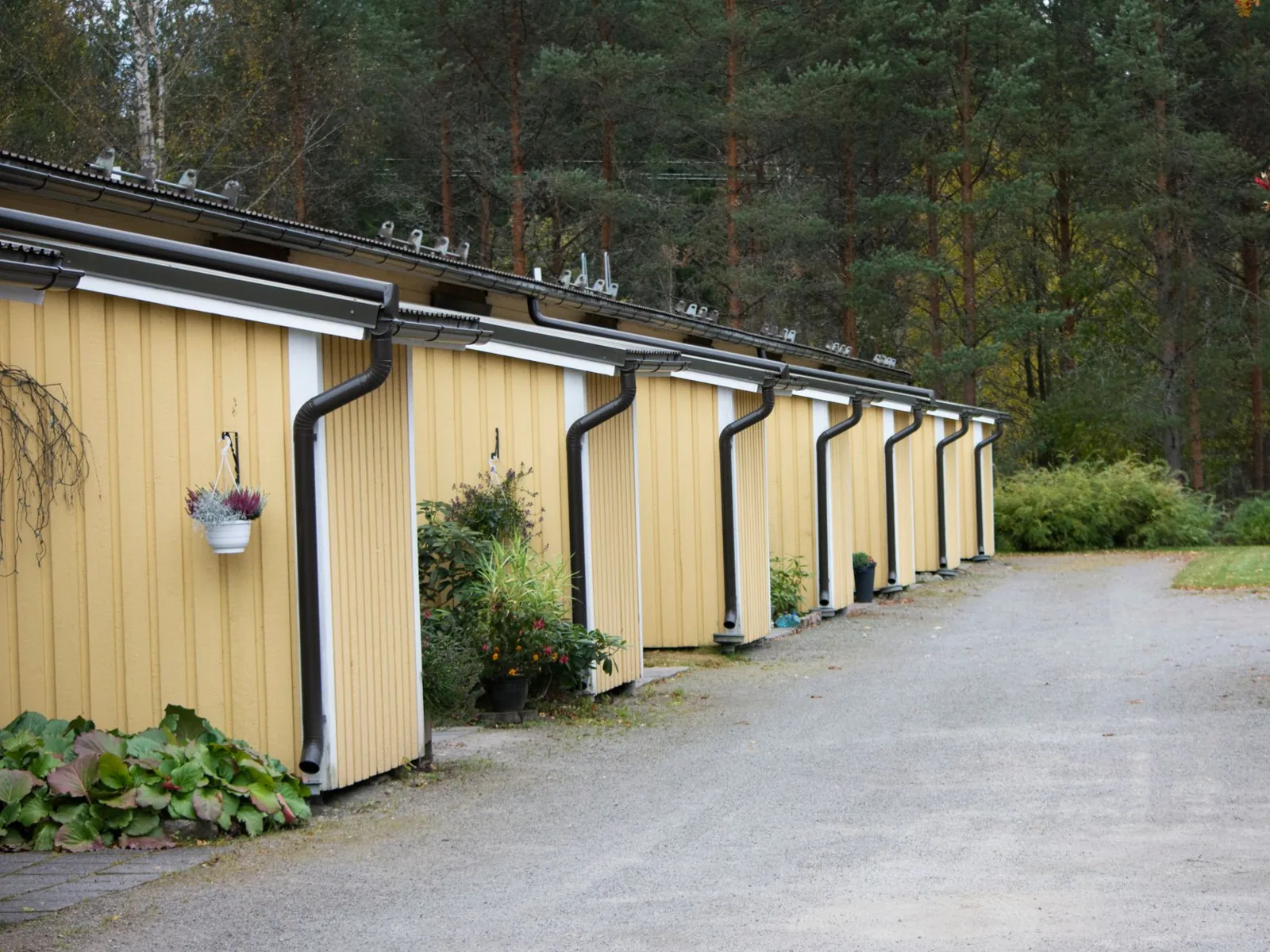
Photo by Kimmo Vainio via Pexels
Additional Costs Most Quotes Don’t Include
The base per-foot price rarely covers everything you’ll end up paying for. Factor these in before you sign.
- Fascia and soffit repair: Rotted wood under old gutters must be replaced first, adding $6 to $20 per linear foot of repair.
- Gutter guards: Leaf protection adds $4 to $12 per foot. Our gutter guard cost per foot guide breaks down which systems are worth it.
- Downspout extensions and drainage: Moving water away from the foundation often requires buried drain lines or extensions. See downspout drainage ideas for options that protect your slab.
- Splash blocks and rain barrels: Minor, but they add up across six downspouts.
- Permits: Most gutter jobs don’t need one, but some municipalities charge a small fee if the work ties into a drainage easement.
DIY vs. Hiring a Pro
Installing gutters yourself can cut the bill by 50% to 60%, since you’re eliminating labor. A DIY vinyl or sectional aluminum job can run as little as $2 to $4 per foot in materials. That sounds great until you consider what you’re giving up.
Gutters must slope a quarter-inch per 10 feet toward each downspout. Pitch them too flat and water sits; pitch them too steep and water overshoots the downspout. Ladders, two-story homes, and long unsupported runs make this genuinely dangerous work — falls are one of the leading causes of home-improvement injuries. Seamless gutters are effectively out of reach for DIYers because the forming machine costs thousands to rent.
The practical rule: a confident DIYer can handle vinyl or sectional aluminum on a single-story ranch. Anything taller, or any seamless system, is worth hiring out.
How to Save Money Without Cutting Corners
- Get three written quotes and compare them line by line, not just on the headline total.
- Buy in the off-season. Gutter contractors are busiest in late spring and after autumn leaves fall; scheduling in late winter often earns a 10% to 15% discount.
- Replace gutters when you replace the roof. Roofers can often bundle gutter work at a lower combined rate.
- Standardize your materials. Stick to stock aluminum colors and common 5-inch K-style profiles rather than custom sizes.
- Handle simple prep yourself. Clear landscaping obstacles and move anything blocking ladder access before the crew arrives.
According to Angi, the national average for a full gutter installation runs around $2,300, which tracks closely with the per-foot figures above. For a deeper look at how the numbers shake out on a per-foot basis, This Old House keeps an updated cost guide worth checking.
Frequently Asked Questions
How much does gutter installation cost per linear foot?
Plan on $4 to $40 per linear foot installed. Vinyl sits at the low end around $4–$8, seamless aluminum runs $8–$15, and copper reaches $25–$40. Material, labor rates, and roof height all move the number.
What is the cheapest gutter material?
Vinyl is the cheapest at roughly $4 to $8 per foot installed, followed by sectional aluminum. Vinyl is fine for mild climates but can crack in hard freezes and fade in strong sun.
Are seamless gutters worth the extra cost?
For most homes, yes. The premium is usually only $2 to $4 per foot, and eliminating mid-run joints removes the most common leak point. If your gutters are staying up for 20-plus years, seamless aluminum is the better value.
How many linear feet of gutters does a house need?
A typical single-story home needs 120 to 200 linear feet, depending on footprint and roof design. Multiply your home’s perimeter by roughly 1.5 to account for roof overhangs, or measure each roofline run directly.
Can I install gutters myself to save money?
You can, but only vinyl or sectional aluminum on a low, single-story home is realistic for most people. The cost savings are real, but the ladder risk and the precision required for proper slope make this a job many homeowners correctly outsource.
The Bottom Line
The gutter installation cost per linear foot is the cleanest way to compare bids and sanity-check a quote. For a standard home, seamless aluminum at $8 to $15 per foot hits the sweet spot between price, lifespan, and maintenance — and it’s what we’d recommend to most homeowners reading this.
Before you sign a contract, get at least three itemized quotes, confirm whether old-gutter removal is included, and decide whether you want gutter guards now rather than paying for a second visit later. Gutters are unglamorous, but they’re the cheapest insurance you’ll ever buy against foundation damage, basement flooding, and rotted fascia. A few thousand dollars spent well today beats a five-figure foundation repair in five years.
Ready to price your project? Start by measuring your total roofline length, then compare seamless gutters cost against the sectional option so you know exactly what the per-foot numbers mean for your house.