
Vinyl vs Aluminum Gutters: Which Material Is Right for Your Home?
If you’re pricing new gutters, the vinyl vs aluminum gutters decision is usually the first fork in the road. Both materials move rainwater off your roof and away from your foundation, but they sit on opposite ends of the spectrum when it comes to price, durability, and how much of the job you can realistically handle yourself.
Vinyl is the budget-friendly DIY pick: cheap, lightweight, and easy to snap together on a Saturday afternoon. Aluminum is the professional standard, found on the majority of homes in North America because it resists rust, takes paint well, and can be rolled into seamless lengths on site.
Neither one is a bad choice. The right answer depends on your budget, your climate, and whether you want to spend the weekend on a ladder or write a check to a gutter contractor. Here’s how the two materials stack up.
Vinyl vs Aluminum Gutters: Key Differences at a Glance
Before getting into the details, a quick side-by-side comparison makes the trade-offs clear. Aluminum wins on longevity and finish; vinyl wins on price and ease of installation.
| Feature | Vinyl Gutters | Aluminum Gutters |
|---|---|---|
| Material cost | $3–$6 per linear foot | $4–$9 per linear foot |
| Installed cost | $4–$8 per linear foot | $6–$12 per linear foot |
| Typical lifespan | 20–25 years | 20–30+ years |
| DIY difficulty | Easy (snap-together sections) | Moderate (sectional) to pro-only (seamless) |
| Paintability | Poor — fades, doesn’t take paint well | Excellent — paintable to match trim |
| Cold-weather performance | Brittle; can crack in freezing temps | Expands and contracts without cracking |
| Rust resistance | Won’t rust | Won’t rust |
Cost: What You’ll Pay for Each Material
On material alone, vinyl is the cheaper option almost every time. Vinyl gutter sections from brands like Genova and Amerimax typically run $3 to $6 per linear foot at home centers. A complete 10-foot section with end caps, connectors, and brackets might cost under $20, which is why vinyl dominates the weekend-warrior market.
Aluminum sections run higher, generally $4 to $9 per linear foot for standard K-style profile. Seamless aluminum, which is extruded on site to the exact length of each run, costs more because it requires a contractor with a roll-forming machine, but it eliminates the leak-prone seams that come with every sectional system.
For a typical single-story home with 150 to 200 linear feet of gutter, expect the full project to land in these ranges:
- Vinyl gutters: $600–$1,600 installed, or $200–$800 in materials for a full DIY job.
- Aluminum gutters (sectional): $900–$2,400 installed.
- Seamless aluminum: $1,000–$2,800 installed, depending on roof height and the number of corners and downspouts.
Labor is the wildcard. If you hire a pro for either material, installation accounts for 50% to 65% of the total. That’s why vinyl makes the most financial sense only when you plan to install it yourself — pay a contractor to hang vinyl, and the savings over aluminum shrink to almost nothing. For a detailed per-foot breakdown, see our guide to gutter installation cost per foot and our look at what seamless gutters cost.
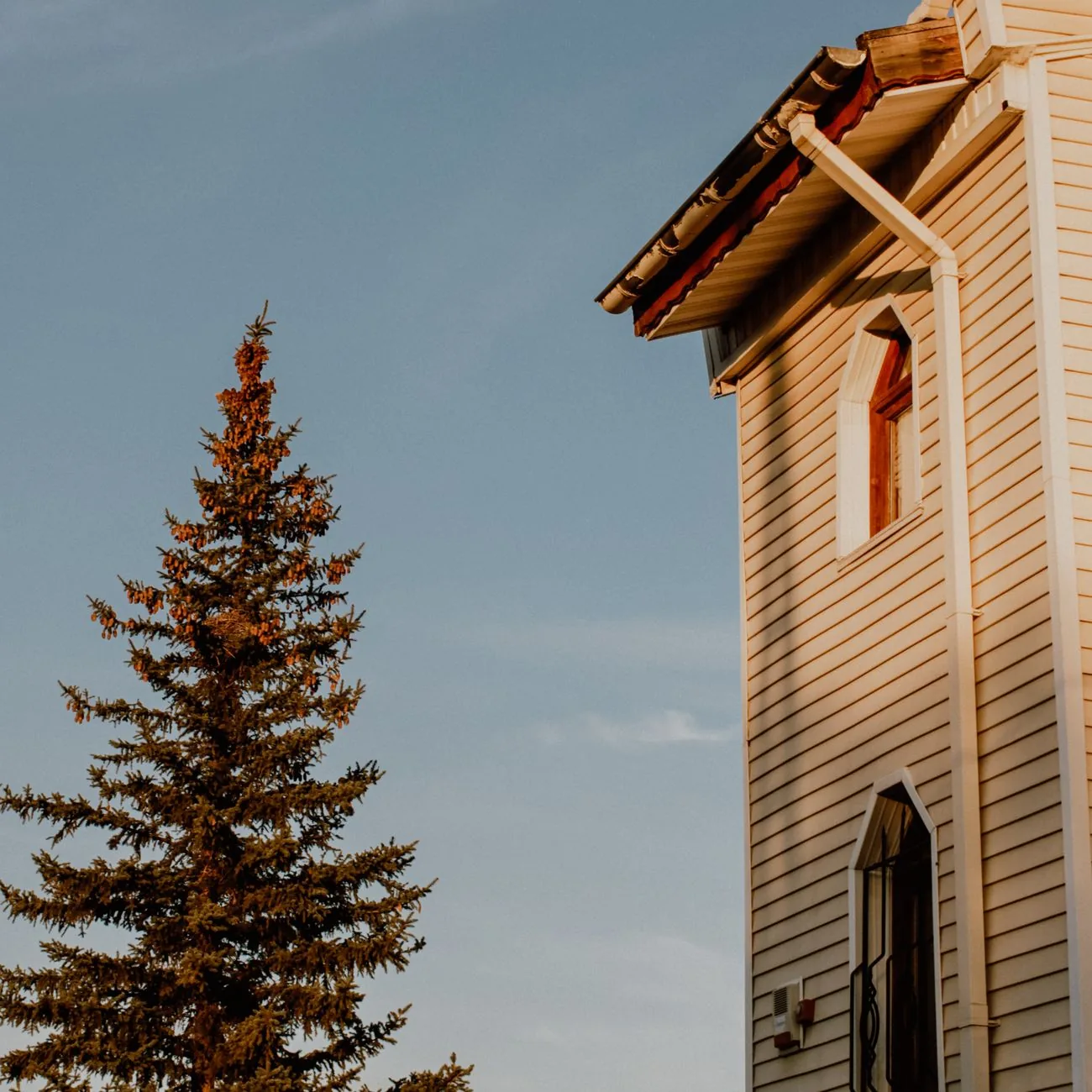
Photo by Zeynep via Pexels
Durability and Lifespan
This is where the two materials diverge the most. Vinyl gutters are made of PVC or vinyl plastic with UV inhibitors added, and they typically last 20 to 25 years before fading, warping, or cracking. In harsh sun, that lifespan can drop toward the low end as the plastic gets brittle and the color bleaches out.
Aluminum gutters, by contrast, routinely reach 20 to 30 years or more. The metal won’t rust, and heavier-gauge aluminum (0.032 inch or thicker) resists the dents that lighter material suffers from ladders and falling branches. The finish fades over time, but unlike vinyl, aluminum can simply be repainted to look new again.
The one durability caveat worth noting: vinyl’s real weakness is impact and cold. A glancing blow from a ladder or a heavy snow load can crack a vinyl trough outright, and once it cracks, the section usually has to be replaced rather than patched. Aluminum dents instead of cracking, and dents are cosmetic — the gutter keeps working.
Installation: DIY-Friendly vs Pro-Only
If you want to install gutters yourself, vinyl is the friendlier material by a wide margin. Vinyl sections snap together with connectors and brackets, cut easily with a hacksaw, and weigh a fraction of what metal does, so one person can handle a full length without a helper. This Old House’s vinyl gutter installation guide walks through the entire process, and a competent DIYer can finish a typical home in a weekend.
Aluminum is more demanding. Sectional aluminum can still be a DIY job if you’re comfortable working on a ladder and sealing every joint with gutter sealant, but it’s easier to kink during handling and harder to cut cleanly without a metal snips or a chop saw. Seamless aluminum, on the other hand, is strictly a pro job — the roll-forming machine that produces it lives in the back of a contractor’s truck, not a home center aisle.

Photo by Magda Ehlers via Pexels
The practical takeaway: budget-conscious DIYers who want to avoid labor costs should lean vinyl. Homeowners who want a clean, low-maintenance result and don’t mind paying for labor should go aluminum. Whichever route you take, the slope and hanger spacing matter more than the material — a poorly pitched gutter will hold water no matter what it’s made of.
Performance in Different Climates
Climate should weigh heavily in the vinyl vs aluminum gutters call, because the materials react differently to temperature extremes.
Cold climates favor aluminum. Vinyl expands and contracts more dramatically with temperature swings, and in sub-freezing weather it turns brittle. Ice dams, snow sliding off the roof, and the simple act of bumping a frozen gutter can crack vinyl sections. Aluminum handles the same conditions with far less drama.
Hot, sunny climates favor aluminum as well. Intense UV exposure fades and embrittles vinyl faster, and dark-colored vinyl can actually soften and sag on scorching days. Aluminum reflects heat better and shrugs off the sun, though dark aluminum colors will fade over time too.
Coastal or humid regions are a draw. Neither material rusts — that’s the point of both — so you avoid the corrosion problems that plague steel gutters. Aluminum gets a slight edge because it’s sturdier in high-wind storms, but vinyl performs acceptably if it’s mounted with enough hangers.
Heavy-snow regions tilt strongly toward aluminum, for the same cold-weather and impact reasons above. If you get real winter, skip vinyl.
Maintenance and Repairs
Both materials are low-maintenance compared with wood or steel, but they need different kinds of attention.
- Vinyl: Keep it clean and it’s mostly hands-off. The catch is repairs — when vinyl cracks or a joint pops, you typically replace the damaged section because plastic doesn’t patch well. The upside is that replacement sections are cheap and match readily at any home center.
- Aluminum: Needs occasional resealing of joints (sectional systems) and periodic repainting if you want to keep the color fresh. Small holes and dents can be patched with roofing cement or a metal patch, so repairs tend to last.
Whatever material you choose, the single best maintenance upgrade is a gutter guard. Clogged gutters back up, overflow, and rot fascia boards regardless of whether the trough is vinyl or aluminum. Our comparison of gutter guard vs gutter cover explains the difference, and we break down gutter guard cost per foot separately. If you’re still weighing profiles, check out our half-round vs K-style gutters guide before you commit.
Frequently Asked Questions
Are vinyl gutters any good?
Yes, for the right situation. Vinyl gutters are genuinely good at shedding water, they won’t rust or corrode, and they’re inexpensive and easy to install. Their real limitation is longevity and impact resistance — they fade in sun and crack in cold, so they’re best suited to mild climates and budget-driven DIY projects rather than harsh-weather regions.
How long do vinyl gutters last vs aluminum?
Vinyl gutters typically last 20 to 25 years, while aluminum gutters commonly last 20 to 30 years or more. Aluminum’s edge comes from better UV resistance and the fact that it can be repainted rather than replaced when the finish fades.
Is aluminum worth the extra cost over vinyl?
For most homeowners, yes. The price gap narrows significantly once you factor in professional installation, and aluminum’s longer lifespan, repaintability, and cold-weather toughness usually make it the better value over two decades of ownership. Vinyl only wins decisively when you’re installing it yourself and keeping labor costs at zero.
Can you paint vinyl gutters?
Not well. Vinyl doesn’t accept paint the way metal does, and the plastic’s expansion and contraction causes paint to peel. If you want a color-matched gutter system that you can repaint down the road, aluminum is the material you want.
Do vinyl gutters crack in winter?
They can. Vinyl becomes brittle in freezing temperatures, and ice, snow loads, or a hard bump can crack a section outright. If you live somewhere with real winters, aluminum is the safer choice.
The Bottom Line
For most homeowners, aluminum is the better gutter material. It lasts longer, handles cold weather, takes paint, and can be installed seamlessly so there are no joints to leak. Vinyl’s advantages — low cost and easy DIY installation — are real but narrow, and they mostly disappear the moment you hire a contractor or live in a harsh climate.
Choose vinyl if you’re on a tight budget, live in a mild region, and plan to install the gutters yourself. Choose aluminum for everything else, and spring for seamless aluminum if you want the lowest-maintenance, longest-lasting system your money can buy.
Whichever way you go, get at least three quotes if you’re hiring out the work, and make sure the gutters are pitched toward the downspouts at about 1/4 inch of slope per 10 feet. A gutter is only as good as its pitch — and the material you pick just determines how long that pitch keeps working.