Sunroom vs Addition: Which Home Expansion Is Right for You?
You need more space, and you’ve narrowed the decision to a sunroom vs addition. It’s the classic fork in the road for homeowners: bolt on a glass-filled room that brings the outdoors in, or commit to a full stick-built addition with foundation, framing, drywall, and all the rest. The right answer depends on how you plan to use the space, how much you can spend, and how quickly you want it done.
Here’s the short version before we dig in. A sunroom is a lightweight, mostly-glass structure that typically costs $100 to $300 per square foot and can be finished in a few weeks. A traditional room addition runs $150 to $350 per square foot, takes months, and requires serious construction. The gap looks small on paper, but the total project cost — and what you get for it — is very different.
Let’s break down the actual numbers, the trade-offs, and the situations where each one wins.
Sunroom vs Addition: The Cost Breakdown
Cost is where most homeowners start, and it’s where the two options diverge fastest. A sunroom keeps its footprint light: no deep foundation, no full HVAC integration, and often no need to match the home’s roofline exactly. An addition, by contrast, is real construction with real construction prices.
| Feature | Sunroom | Traditional Addition |
|---|---|---|
| Typical cost per square foot | $100–$300 | $150–$350 |
| 12×12 (144 sq ft) project | $15,000–$43,000 | $22,000–$50,000+ |
| Typical build time | 2–6 weeks | 2–4 months |
| Foundation | Slab or deck | Full foundation, often excavate |
| HVAC | Often none or mini-split | Tied into existing system |
| Permits | Sometimes required | Almost always required |
| Resale value return | ~50–60% | ~50–70% |
The real kicker is the cost per square foot for the finished, usable space you actually get. A sunroom cost to build lands lower because manufacturers like Champion, Patio Enclosures, and Four Seasons Sunrooms build panelized kits in a factory and assemble them on-site. That factory approach is what keeps a four-season sunroom kit affordable compared with framing walls from scratch.
How the Space Gets Used Changes the Math
The single biggest mistake homeowners make is comparing these two options as if they’re interchangeable. They’re not. The way you plan to use the room should drive the decision more than the price tag.
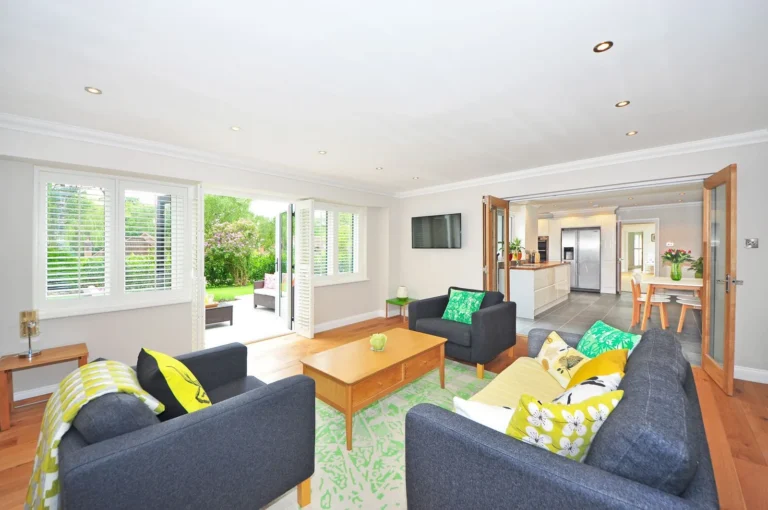
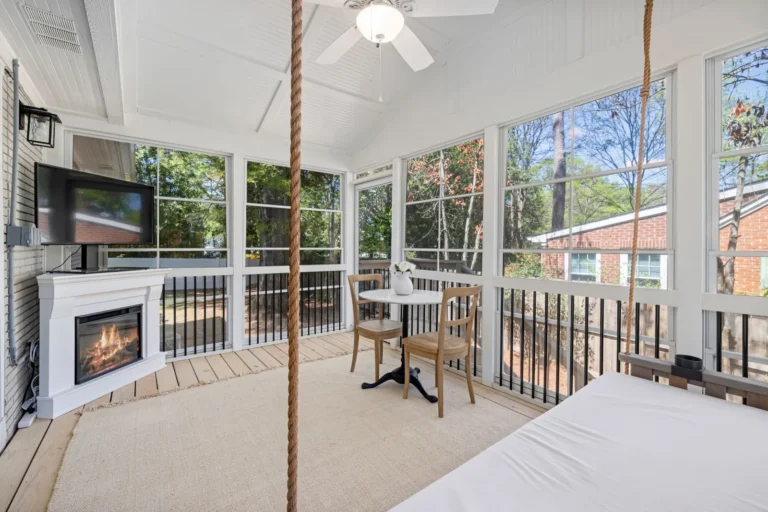
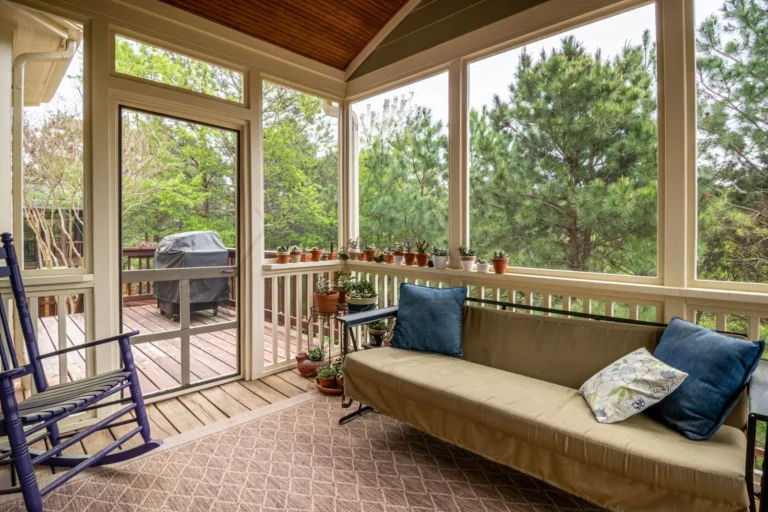
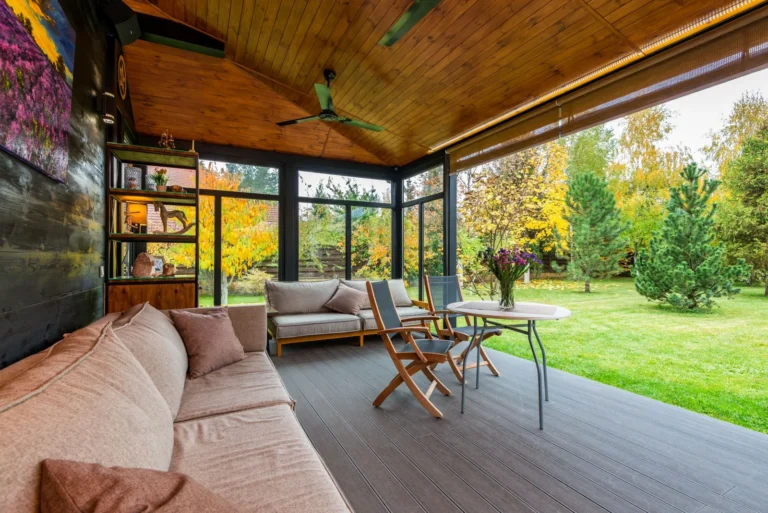
A sunroom makes sense when you want: light, a view, a place to read, plants, morning coffee, or a dining space that feels like eating outdoors without the bugs. Sunrooms excel as “bonus” living areas — spaces you enjoy, not spaces you depend on.
An addition makes sense when you need: a bedroom, a full bathroom, a home office with sound isolation, a laundry room, or a space with full insulation and climate control year-round. If the room has to function like the rest of the house, an addition is the only honest answer.
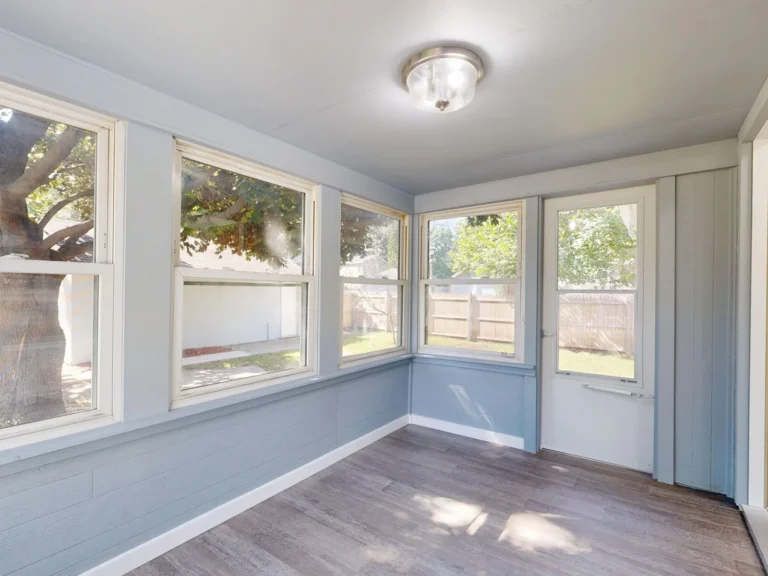
Think about it in terms of season. A three-season sunroom in Minneapolis is essentially closed for four to five months of the year unless you invest in insulated glass and a heating source. A properly built addition is usable 365 days a year, in any climate, which is why it commands a higher price.
Sunroom vs Addition: Build Time and Disruption
If you’ve ever lived through a renovation, you know disruption is a cost too — just not one that shows up on the contractor’s invoice.
A sunroom is dramatically faster. Panelized kits go up on a prepared slab or existing deck in a matter of weeks. Some homeowners report a crew finishing a standard three-season sunroom in two to four weeks from slab pour to final glass. The disruption is mostly outside, and your main living areas stay usable.
An addition is the opposite. Expect two to four months of active construction, assuming good weather and no permit delays. That’s framing, roofing, electrical rough-in, plumbing, drywall, flooring, trim, and paint — all staged over months. If the addition connects to an existing exterior wall, you’ll likely have a period where a doorway is open to the elements or temporarily sealed with plastic.

Photo by Khanh Dang via Pexels
Permits, Codes, and Hidden Requirements
Here’s where “cheaper” sunrooms can quietly get expensive. Both projects can require permits, but the scope is very different.
Sunroom permits. A prefab kit on an existing deck often qualifies as a simple addition, and some jurisdictions treat smaller units as accessory structures. Still, most building departments want a permit if there’s a foundation, electrical, or any connection to the house. Budget $200 to $1,500 for permit fees depending on your town.
Addition permits. A full addition triggers the whole machine: building permit, electrical, plumbing if there’s a bath, mechanical, and often a zoning review for setback and lot coverage. Permit and plan costs alone can run $2,000 to $5,000, and that’s before you pay for the architect or structural drawings.
The takeaway isn’t that one skips the rules and the other doesn’t — it’s that an addition’s “hidden” costs (permits, plans, engineering) are an order of magnitude larger and should be budgeted for from day one.
Climate Control and Insulation: The Real Difference
The honest way to frame this section: a sunroom is not just “an addition with more windows.” The difference in thermal performance is structural.
A traditional addition is built to the same insulation standard as your house — R-13 to R-21 in the walls, insulated attic, double-pane windows. It holds heat in winter and stays cool in summer because it’s part of the conditioned envelope.
A sunroom is mostly glass, and even good glass has an R-value far below a framed and insulated wall. A three-season room will swing with the outside temperature. A true four-season sunroom closes the gap using insulated low-E glass, thermally broken frames, and a dedicated heating and cooling source like a mini-split heat pump, but it also pushes the sunroom cost per square foot toward the top of the range — sometimes north of $300.
The practical result: if the room has to be comfortable in July in Phoenix or January in Chicago, budget for four-season upgrades or consider an addition instead.
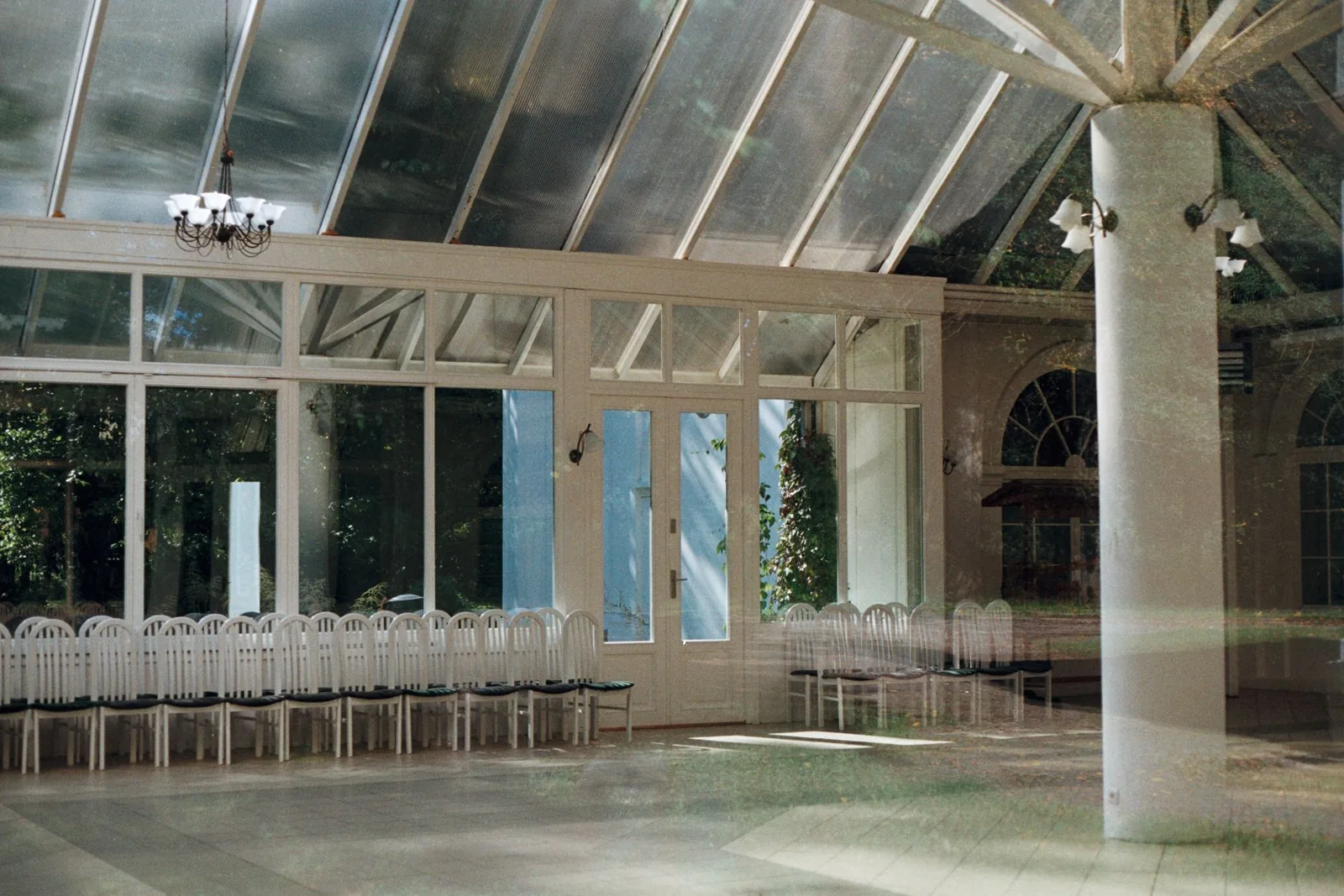
Photo by Anna Holodna via Pexels
Resale Value: What Do You Get Back?
Both projects return a meaningful share of their cost at resale, but neither returns 100%. This is where realistic expectations matter.
A quality sunroom typically recoups around 50% to 60% of its cost at sale, according to industry cost-vs-value reporting. A traditional addition tends to return a bit more — roughly 50% to 70% depending on the room type. A well-executed primary suite addition or a bump-out that adds a true bedroom and bathroom generally outperforms a sunroom on resale because it adds “counted” square footage.
That last point is the sleeper. In most markets, a sunroom does not count toward the home’s official square footage the way a permitted, conditioned addition does. Appraisers are inconsistent, but a glass room without permanent HVAC is frequently listed as a “bonus room” rather than gross living area. If your goal is to grow the number on the listing sheet, an addition is the more reliable play. If your goal is to enjoy the space yourself for a decade, the resale difference matters less.
Which One Should You Choose?
If the decision still feels stuck, run it through these filters:
- Budget under ~$45,000 and want it fast? A sunroom wins. You’ll get a finished, beautiful room in weeks, not months.
- Need a bedroom, bath, or year-round office? Build the addition. A sunroom can’t legally or practically serve as a bedroom in most jurisdictions.
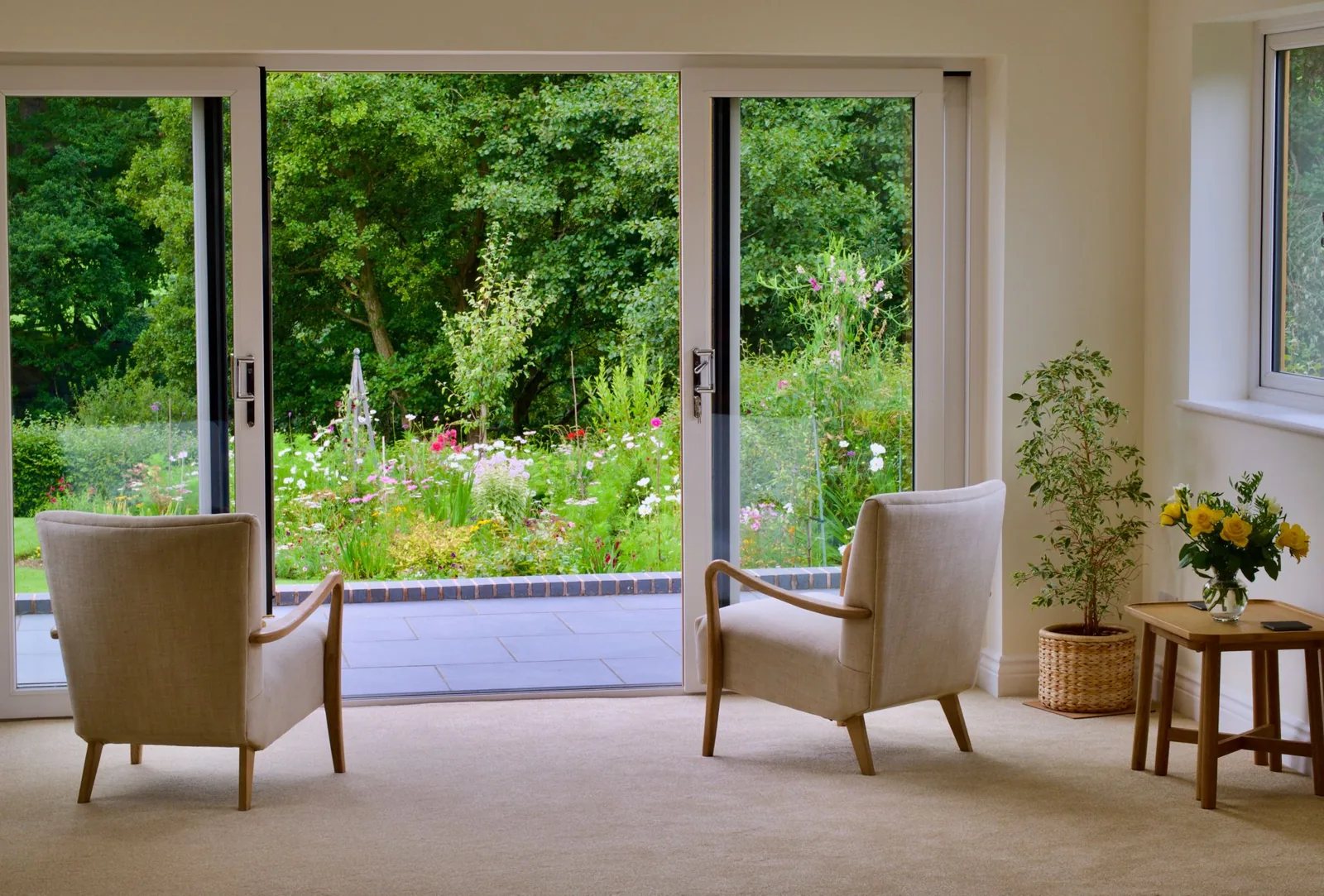
- Live in a mild climate and want light and views? Sunroom, no contest. This is where it shines.
- Live somewhere with harsh winters or brutal summers? Either invest in a true four-season sunroom or go with an insulated addition.
- Selling within five years and want to grow the listing square footage? Lean addition. The resale math favors it.
There’s also a middle path worth knowing about: a bump-out, which extends a room by a few feet without the full cost of a standalone addition, or a four-season sunroom built to code with its own HVAC, which splits the difference on price, comfort, and speed. If you’re still weighing the numbers, our guide to how much a new sunroom costs walks through every line item.
Frequently Asked Questions
Is a sunroom cheaper than a home addition?
Yes. A sunroom typically costs $100 to $300 per square foot, while a traditional addition runs $150 to $350 per square foot. On a 12×12 project, a sunroom often comes in $7,000 to $15,000 less than a comparable addition.
Does a sunroom add value like an addition does?
It adds value, but usually less. A sunroom recoups roughly 50% to 60% of its cost at resale, while an addition often returns 50% to 70%. Additions also add more “counted” square footage, which helps the listing price.
Do I need a permit for a sunroom?
Usually yes, especially if it has a foundation, electrical, or a connection to the house. Permit fees are typically smaller than an addition’s — $200 to $1,500 for many sunrooms versus $2,000 to $5,000 for a full addition with plans.
Can I use a sunroom as a bedroom?
Generally not. Most building codes require a bedroom to have specific egress windows, insulation, and permanent heating and cooling. A sunroom rarely meets those standards, so a traditional addition is the correct choice for a legal bedroom.
How long does each take to build?
A sunroom is typically finished in two to six weeks, while a traditional addition takes two to four months. Prefabricated sunroom kits are assembled on-site, which is the biggest reason for the speed difference.
For a dollar-per-square-foot comparison, Bob Vila explains sunroom vs. home addition.
The Bottom Line
A sunroom vs addition is not a question with one right answer — it’s a question of what the space is for. Want light, views, and a fast, lower-cost build you’ll enjoy for years? A sunroom delivers outstanding value per dollar and can be done in a matter of weeks. Need conditioned, permanent living space that counts toward your home’s square footage? Build the addition and budget for the time, permits, and higher cost that come with it.
If you’re leaning sunroom, the next step is nailing down your numbers. Check out our breakdowns of sunroom cost per square foot and how much a new sunroom costs to build a realistic budget, then get quotes from at least three local contractors. The right choice is the one that fits how you’ll actually live in the room — not just the one with the lower sticker price.