Screened Porch vs Sunroom: Which Outdoor Addition Is Right for Your Home?
The screened porch vs sunroom question comes down to one thing: do you want to feel the breeze and hear the crickets, or do you want a climate-controlled room you can use in January? Both additions stretch the way you live at home, but they deliver very different experiences — and they sit at very different price points.
The numbers tell the story before you even call a contractor. A modest screened porch can be built for $3,000 to $15,000, while a finished sunroom rarely starts below $20,000 and can climb past $70,000 once you add insulated glass, a proper foundation, and heating and cooling. Understanding exactly what you’re buying with that gap is the entire point of this comparison.
What’s the Difference Between a Screened Porch and a Sunroom?
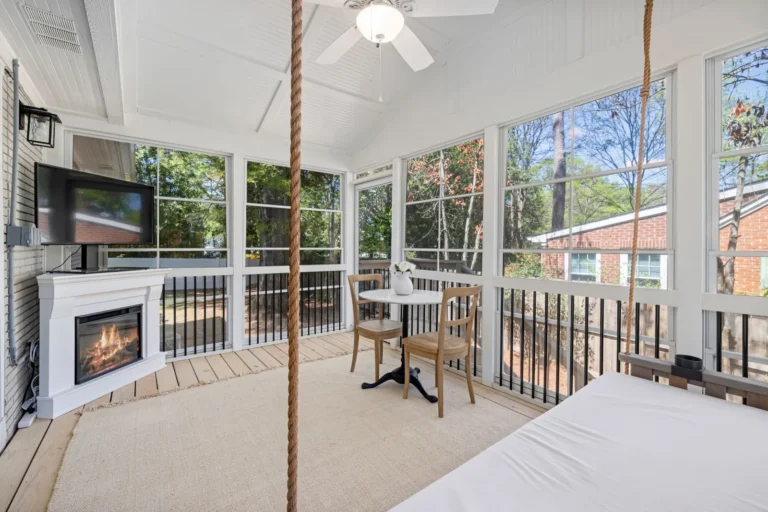
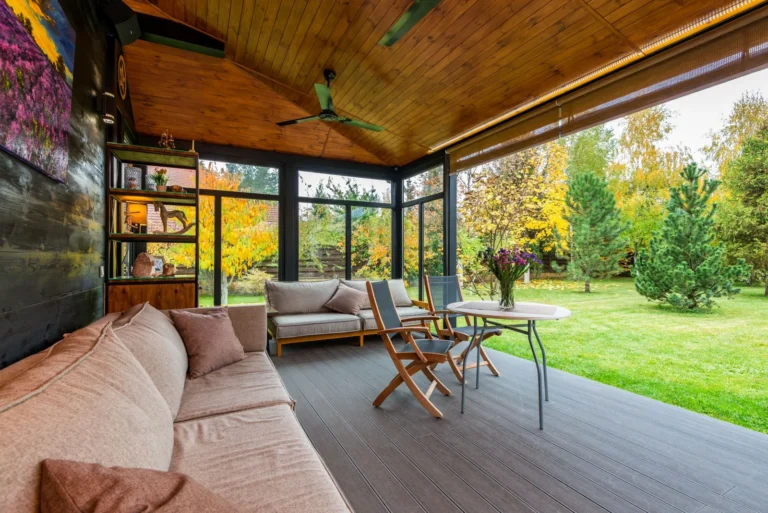
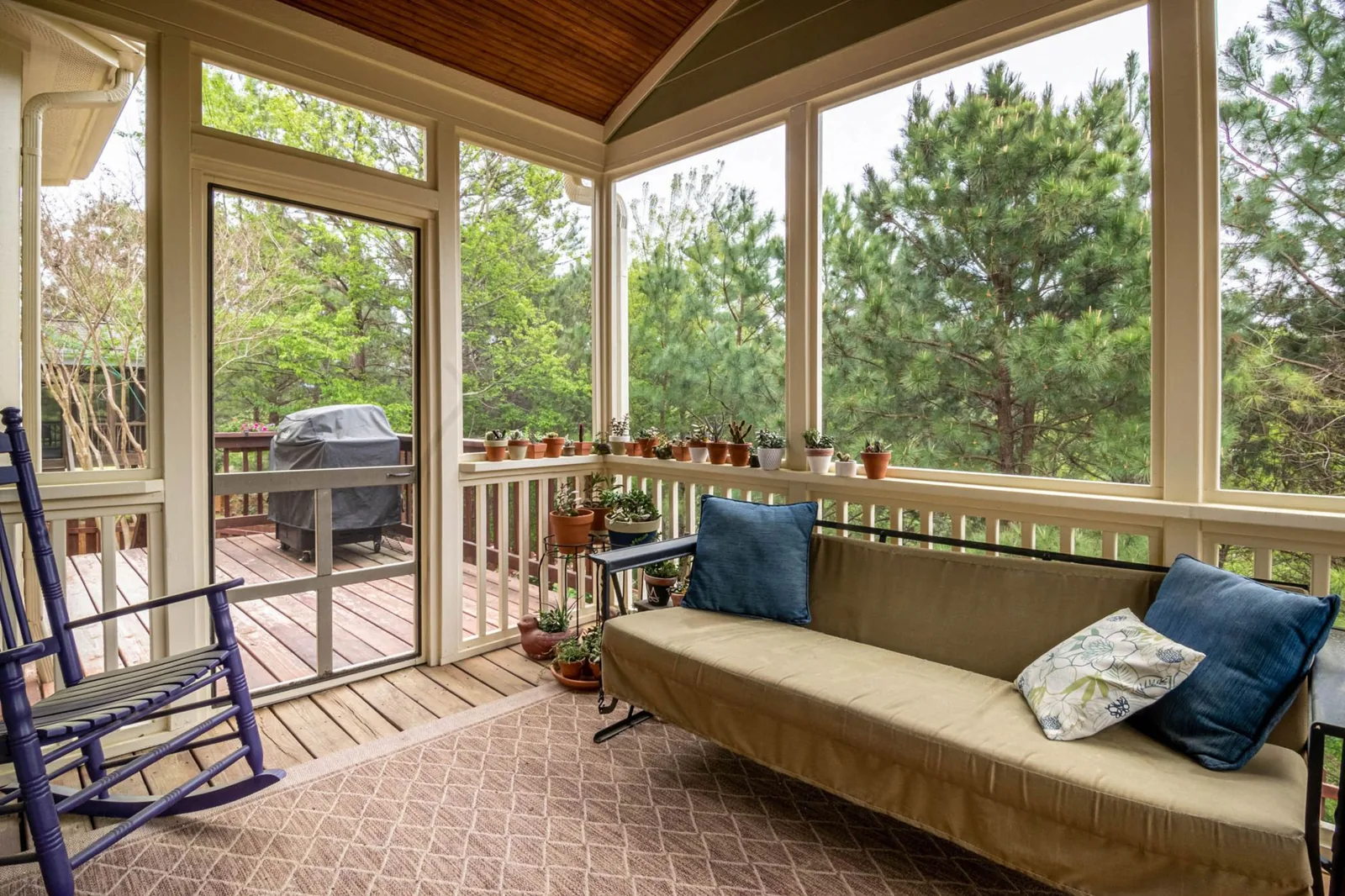
A screened porch is, at its core, a covered outdoor room. It has a roof overhead and screen mesh on the walls, but it is open to the outside air. Temperatures and humidity inside track the weather almost exactly. Bugs stay out; the breeze comes through. Most screened porches are built on top of an existing deck or patio, which keeps the project simple and cheaper.
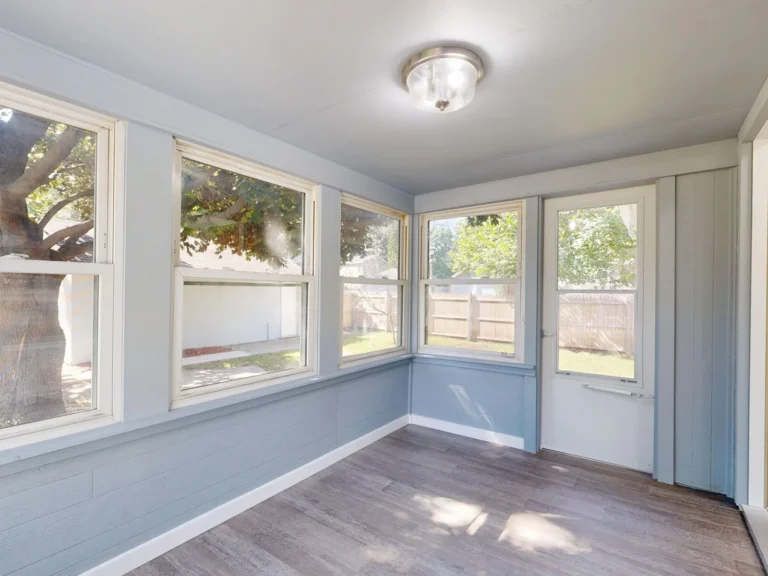
A sunroom is an enclosed room with glass walls — and often a glass roof section — that is sealed against the weather. Three-season sunrooms have glazing but no dedicated heating and cooling, so they get too hot or too cold at the extremes. Four-season sunrooms are insulated, sit on a foundation, and typically tie into your home’s HVAC system so you can use them year-round.
Think of it this way: a screened porch keeps the outdoors comfortable, while a sunroom brings the outdoors in behind glass. One is an upgrade to your outdoor life; the other is genuinely a new interior room.
Screened Porch vs Sunroom: What Each Costs
Budget is where the screened porch vs sunroom debate gets won and lost for most homeowners. Here is what you can expect to pay for labor and materials in the US as of 2025, before any high-end finishes:
- Converting an existing covered porch or deck to a screened porch: $2,500 to $6,000 — the roof and framing are already there, so you’re mostly adding screen panels and a door.
- Building a new screened porch from scratch: $15 to $35 per square foot. A 12×12 porch (144 square feet) lands between $4,000 and $8,000, and larger or more finished builds run $15,000 or more.
- Prefab or kit three-season sunroom: $15,000 to $40,000 installed, depending on size and glass quality.
- Custom or four-season sunroom: $40,000 to $80,000 and up once you add a foundation, insulated walls, and HVAC tie-ins. Per square foot, plan on $150 to $300 — and easily more for four-season construction.
| Feature | Screened Porch | Sunroom |
|---|---|---|
| Typical total cost | $3,000 – $15,000 | $20,000 – $80,000+ |
| Cost per square foot | $15 – $35 | $150 – $300+ |
| Climate control | None (open air) | Three-season: partial; four-season: full |
| Foundation needed | Usually not (built on deck/patio) | Usually yes (footings or slab) |
| Year-round usability | Seasonal | Four-season models: all year |
| Build time | 1–3 weeks | 4–12 weeks |
If cost is your controlling factor and you already have a deck or covered porch, the screen route is almost always the cheaper starting point. The full build-out cost of a sunroom is its own study — our guide to the cost per square foot of a sunroom breaks down exactly how glazing, insulation, and manufacturer choice move the price.
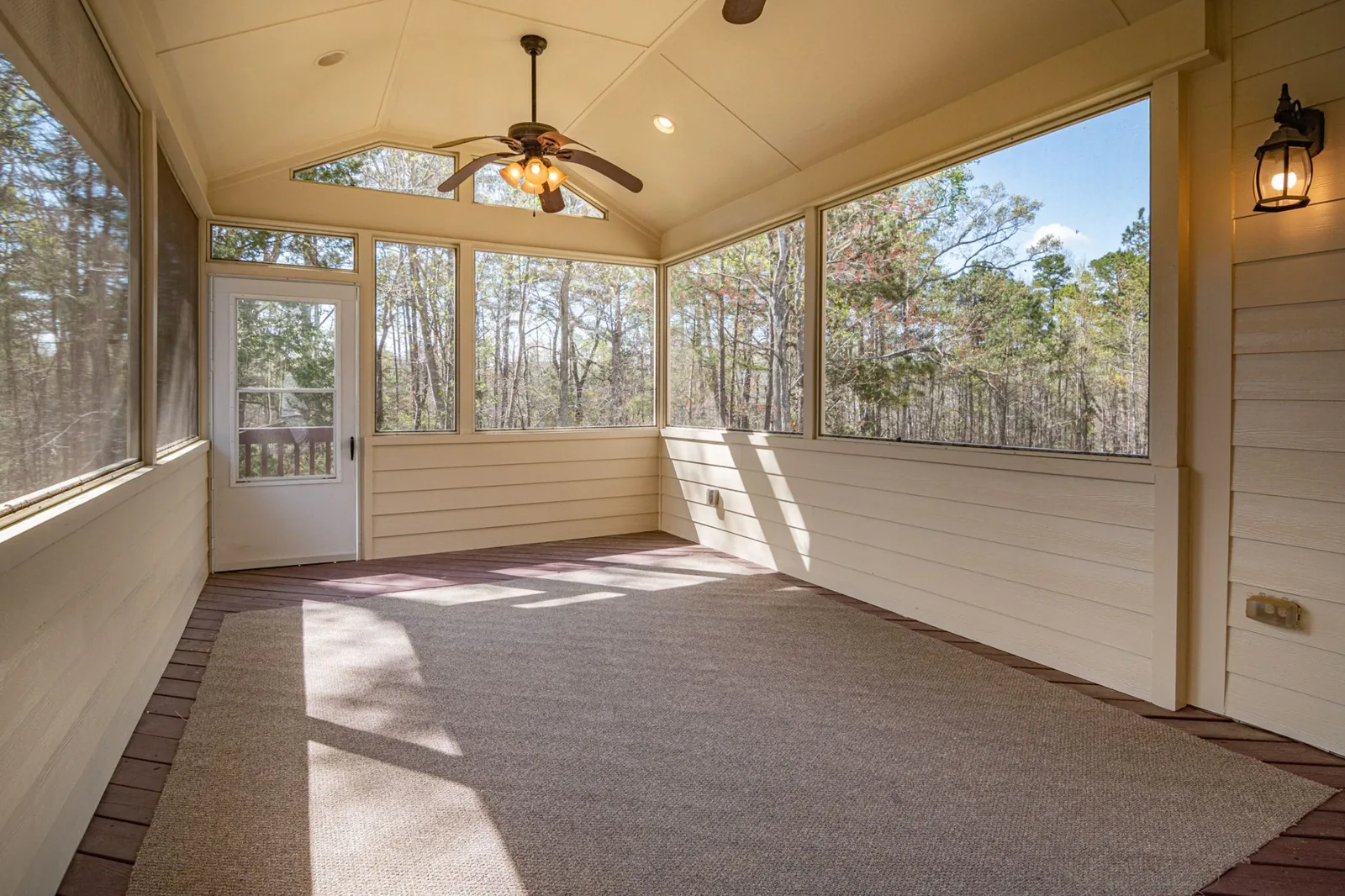
Photo by Curtis Adams via Pexels
Comfort in Every Season: Where Each Option Wins
Comfort is where these two rooms stop resembling each other.
Spring and fall
Both options shine in the shoulder seasons. A screened porch becomes a three-season room without any mechanical help: bright afternoons, dinner outside without flies, cool evenings that drop to a comfortable sleeping temperature. A three-season sunroom does the same but with glass you can open when the weather cooperates.
Summer
Summer is where a screened porch wins on sheer pleasantness. The screens let moving air through, so even a 90-degree day is tolerable with a ceiling fan humming. A three-season sunroom without AC turns into a greenhouse by mid-afternoon; without ventilation or shading, glass rooms routinely run 20 to 30 degrees hotter than the outside air. If you want a sunroom in a hot climate, budget for tinted or low-E glass and a dedicated mini-split.
Winter
Winter flips the script. An unheated screened porch is effectively a storage room from late fall to early spring, even in mild climates. A four-season sunroom with insulated glass and a heat source holds 60-plus degrees in a snowstorm, which is the version that people actually sit in year-round. That capability is the single biggest reason the four-season room costs two to three times as much.
Building Requirements: Foundation, Permits, and Timelines
The construction footprint of the two projects is as different as the finished rooms.
A screened porch typically piggybacks on an existing structure. If the deck or patio can’t support the added roof load, you’ll add footings or a few support posts, but you rarely need a new slab. Because the space isn’t considered habitable living area, many municipalities treat it as a less restrictive project — though a roof structure still normally requires a permit, so check with your local building office before you buy materials. Most screen conversions wrap up in one to three weeks.
A sunroom is closer to building an addition. It usually needs its own frost-depth footings or a poured slab, framed and insulated walls, engineered glazing that meets local energy codes, and in many cases an electrical rough-in for outlets, fans, and heat. That means permits, sometimes an architect or structural engineer, and a build window of four to twelve weeks. This is why even a modest 140-square-foot sunroom rarely lands under $20,000 installed.
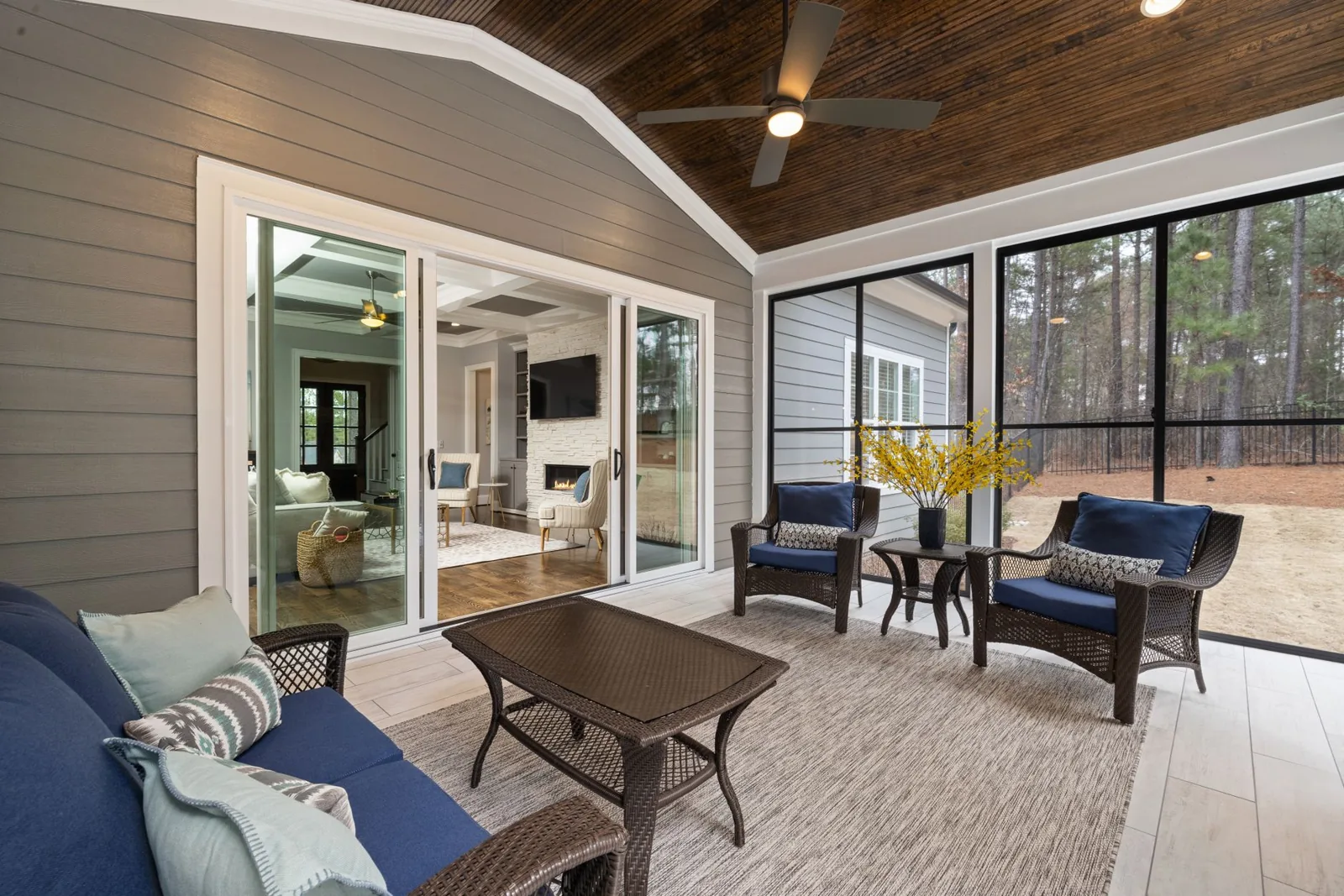
Photo by Curtis Adams via Pexels
How You’ll Actually Use the Space
Look hard at your real habits before you choose, because the more honest you are here, the better the decision.
Choose a screened porch if you want:
- Bug-free dinners, morning coffee, and afternoon naps in fresh air
- A low-cost way to make an existing deck usable for more months of the year
- A place for grilling adjacent to — but separate from — the house
- An outdoor sleeping spot or reading nook in spring, summer, and fall
Choose a sunroom if you want:
- A true extra room: home office, playroom, plant room, or guest space
- Year-round use in a climate with cold winters or blazing summers
- Protect furniture, electronics, and finishes from weather and humidity
- Interior square footage that counts toward your home’s living space
One common regret we hear: homeowners build a screened porch expecting to use it as an office, then discover a laptop, a damp morning, and no climate control don’t mix. If work-from-home space is the goal, a sunroom — even a modest three-season one — is the better call.
Resale Value, Maintenance, and Durability
Return on investment favors the porch, while longevity favors the sunroom.
A screened porch typically recoups a higher share of its cost at sale. Remodeling trade data has long pegged screened porches and decks at roughly 70% to 84% of cost recovered, while sunroom ROI tends to run closer to 50% to 72%. The logic is simple: because a porch costs less to build, there’s less money at risk. The trade-offs that govern what you’ll actually spend to build a sunroom — glazing, foundation, and mechanicals — are the same line items that make it harder to claw every dollar back.
Maintenance is where the sunroom gets its own back. Screens last roughly 8 to 12 years and cost a few dollars per panel to replace, and the structure needs periodic repainting or sealing — but there are no seals, gaskets, or glass coatings to fail. A sunroom demands more: resealing and caulking the glazing every few years, watching for condensation and leaks at the roof-to-wall junction, cleaning the glass inside and out, and servicing whatever HVAC system serves the space. Done right, though, a four-season sunroom will still be a usable room in 30 years, while an untreated wood porch frame can be rotting at 20.
For most buyers, a sunroom reads as finished living space and a screened porch doesn’t, which is why the former costs more but the latter recovers a better percentage. Neither is objectively “better” for resale — it depends on whether your market values extra conditioned square footage or low-cost outdoor living.
Frequently Asked Questions
Is a sunroom cheaper than a screened porch?
No. A screened porch is almost always the cheaper project, starting around $3,000, while a sunroom — even a prefab three-season kit — usually starts around $15,000 to $20,000 installed. The glass, insulation, foundation, and finishing work are what drive the gap.
Does a screened porch add value to a house?
Yes. Buyers in most markets see a screened porch as a desirable outdoor feature, and because it costs relatively little to build, it often recovers a higher percentage of its cost at resale than a more expensive sunroom.
Can I convert my screened porch into a sunroom later?
Usually, yes — and it’s a common upgrade path. The existing roof and framing give you a head start, but you’ll still need to add glass panels or windows, weather sealing, and possibly insulation and heat. Budget $150 or more per square foot for the conversion, which is close to building new.
Do I need a permit for a screened porch or a sunroom?
For a screened porch, it depends on whether you’re adding a roof or footings; many simple screen conversions on an existing deck don’t require one, but roofed structures often do. A sunroom almost always requires a permit because it’s conditioned, habitable space with a foundation and electrical work. Always confirm with your local building department first.
Which is better for resale — a screened porch or a sunroom?
A screened porch typically recovers a higher percentage of its cost (roughly 70% to 84%), while a sunroom adds more raw value and usable conditioned square footage but recovers a smaller share (often 50% to 72%). The best choice depends on what buyers in your area are willing to pay for.
For a cost-and-comfort comparison, This Old House explains screened porch vs. sunroom.
The Bottom Line
If you want maximum outdoor living for the least money, build the screened porch. It’s fast to build, cheap to maintain, and it recovers more of its cost when you sell. If you want a genuine extra room you can use 12 months a year — and you’re prepared to pay for a foundation, glass, and climate control — the sunroom is the better investment.
For most homeowners, the honest answer is a screened porch first, then a four-season sunroom later if you find yourself craving the space in February. Before you commit, spend ten minutes with what a new sunroom actually costs so the contractor’s number doesn’t come as a surprise — and if you’re still weighing porch options, a quick look at the cost to build a sunroom by size will help you anchor a realistic budget for either project.