Solarium vs Sunroom: Which One Belongs on Your Home?
When you plan a glass-walled addition, you hit a naming fork almost immediately: solarium vs sunroom. The two terms get used as if they are interchangeable, but they describe different structures with different price tags, different insulation levels, and different day-to-day usefulness. Picking the right one changes how much you pay, how many months of the year the room is comfortable, and whether the finished space feels like real living area or a pleasant spot to read on a mild afternoon.
A solarium is the more extreme option: a room that is glass from the walls all the way across the roof, usually framed in aluminum, vinyl, or wood. A sunroom is the better-insulated cousin — glass-heavy walls but a solid roof, insulated walls and ceiling, and often a tie-in to the home’s own heating and cooling. The practical differences narrow down to comfort and cost. A solarium is typically the cheaper way to add square footage, but it is only pleasant for part of the year. A sunroom costs more and can be used in near-freezing weather.
Here is the honest breakdown, with real numbers: cost per square foot, insulation expectations, heating bills, and what each structure is actually like to live in.
What Is a Solarium?
A solarium — sometimes marketed as a “greenhouse room” or, in older homes, a conservatory — is a room whose walls and roof are made almost entirely of glass or a glazing substitute such as polycarbonate or acrylic. Most solariums sold in North America today are prefabricated kits with aluminum or vinyl framing, low-E glass panels, and a sloped or gabled glass roof. Brands such as Four Seasons Sunrooms and TEMO sell engineered solarium kits that a contractor or a capable homeowner assembles over a concrete slab or a reinforced deck.
Because the roof is glass, daylight pours in from every direction, including straight overhead. That is the whole appeal: the room feels like standing outside while keeping insects, wind, and rain away. The trade-off is temperature control. Glass gains and loses heat quickly. A solarium can warm into the 70s and 80s on a sunny winter afternoon, then drop toward the outdoor temperature the moment the sun sets. In summer, an all-glass roof turns the space into a hotbox unless you add powered roof vents, reflective shades, and good cross-ventilation.
Solariums are, in practice, three-season rooms. Across most of the US and Canada they are comfortable from late spring through early fall, and usable in winter only on bright days or while a space heater is running. They are rarely connected to a central HVAC system, because heating or cooling a room that is 70 percent glass or more is expensive and inefficient.
What Is a Sunroom?
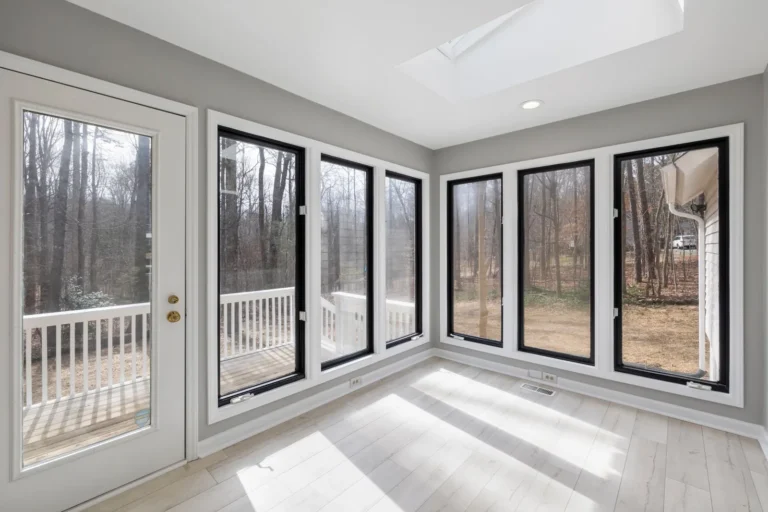
A sunroom — often called a “four-season room” or “year-round room” when it is heated — is a glass-forward addition built like a small extension of the house. It has a real roof, typically shingled or metal to match the home, insulated walls and ceiling, large windows rather than wall-to-wall glass, and standard framing. Many sunrooms tie into the existing heating and cooling system.
The glass share is the core difference. Where a solarium might be 70 to 90 percent glazing, a sunroom is usually 40 to 60 percent glass, with the rest solid walls and roof decking packed with fiberglass or spray-foam insulation. That insulation is what makes a sunroom usable in December and January. A properly insulated sunroom with a ductless mini-split or a dedicated heat run holds a steady temperature all year, which is why homeowners install them as home offices, dining rooms, and playrooms rather than only as light catchers.
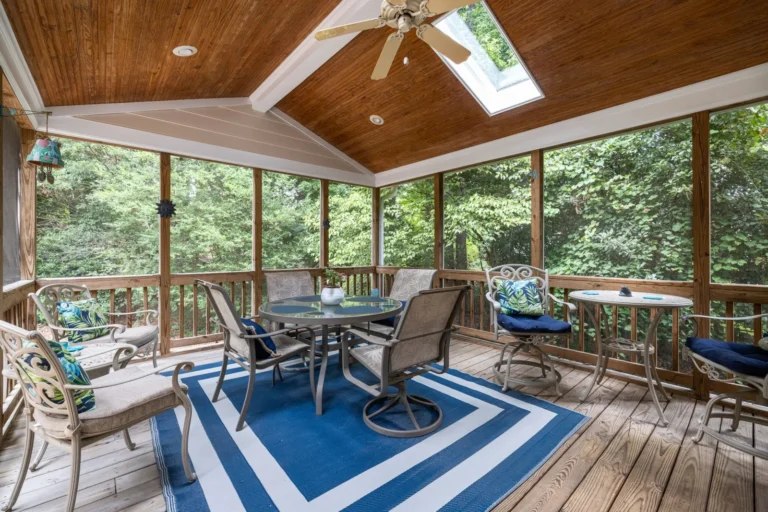
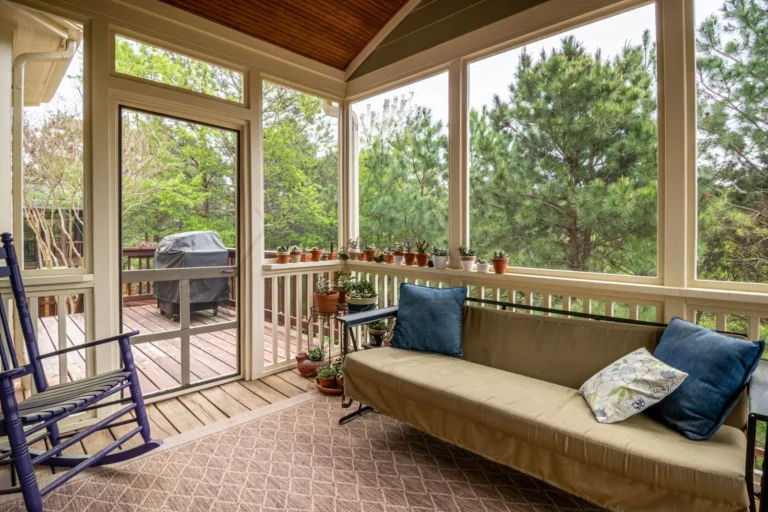
Three-season sunrooms split the difference: they have insulated walls but no heating tie-in, so they stay comfortable roughly a season longer than a solarium but not through the dead of winter.

Photo by groundhelio via Pexels
Solarium vs Sunroom: The Key Differences
The cleanest way to think about solarium vs sunroom is glazing versus insulation. A solarium maximizes the first; a sunroom balances the two. That single decision ripples into cost, comfort, resale value, and building permits.
| Feature | Solarium | Sunroom |
|---|---|---|
| Roof | Glass or polycarbonate | Insulated shingle or metal |
| Glazing | 70–90% glass | 40–60% glass |
| Wall insulation | Minimal or none | R-13 to R-21 |
| Usable season | Three seasons | Four seasons (if heated) |
| Cost per sq ft | $75–$150 | $120–$400 |
| HVAC tie-in | Rare | Common |
Light and Views
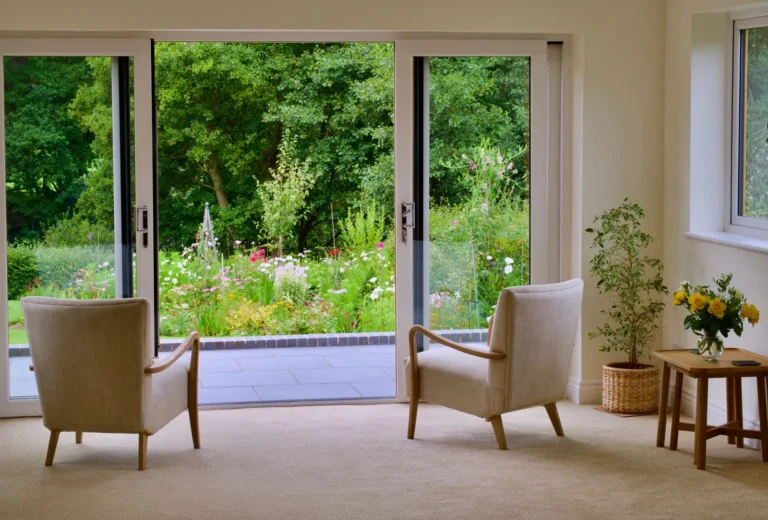
A solarium wins decisively on overhead light. Because the roof is glazed, you get an unobstructed view of the sky and far more natural light than any sunroom can offer. If your goal is to grow plants year-round, watch rainstorms from a dry seat, or feel completely surrounded by the outdoors, a solarium delivers in a way a sunroom cannot.
A sunroom trades some of that drama for comfort. The view out the walls is still generous, but a solid roof means no skylight glare, no hot summer ceiling, and no climbing onto a glass roof to clean it.
Temperature and Insulation
This is where the two structures separate most clearly. A solarium has almost no thermal mass and little to no wall insulation, so its interior temperature tracks the weather closely. A sunroom has insulated walls and roof decking, so it holds heat through the night and blocks the worst of a summer afternoon.
For a homeowner in Chicago or Minneapolis, a four-season sunroom is a room you can use in February. A solarium in the same climate is a room you visit in March through October and mostly admire through the door the rest of the year.
Permits and Resale Value
Both structures usually need a building permit, but a sunroom is more likely to count as living space for appraisal purposes, because it is insulated and often heated. A solarium without heat or insulation is typically classified as an accessory structure, closer to a screened porch in the eyes of an appraiser. That matters if resale value is part of your math: buyers generally assign more value to a heated, four-season sunroom than to a glass room they can only use half the year.
Solarium vs Sunroom Cost: What You’ll Actually Pay
Broadly, a solarium is the least expensive way to add glass living space, but it is also the least versatile. Plan on spending $75 to $150 per square foot for a glass-roof solarium kit, often including a simple concrete slab, depending on glazing quality, frame material, and whether a pro handles assembly. A modest 12-by-12 solarium lands between roughly $11,000 and $22,000 installed.
A sunroom costs more because it carries real framing, insulation, a full roof, and frequently an HVAC connection. A three-season sunroom commonly runs $120 to $250 per square foot, while a heated, four-season sunroom with a mini-split or ducted run often falls in the $250 to $400 per square foot range. That same 12-by-12 footprint becomes a $17,000-to-$30,000 three-season room or a $35,000-to-$55,000 four-season addition once finishes and heating are included.
The variables that move the price most are the same ones that will shape your budget sheet no matter which route you take:
- Foundation: a slab is cheapest; a raised foundation or a room over a basement costs more.
- Glazing: single-pane glass is cheapest but cold; double-pane low-E glass and argon-filled units add real cost and real comfort.
- Heat: a permanently wired mini-split is a meaningful line item that turns a three-season room into a four-season one.
- Finish level: drywall, trim, flooring, and electrical all push a sunroom toward the upper end of its range.
If you are still sizing the project, the figures in our guides to sunroom cost per square foot and the full cost to build a sunroom will help you pin down a realistic budget before you call contractors. For the do-it-yourself route, our breakdown of four-season sunroom kit costs shows what prefab materials actually sell for.
Photo by ROMAN ODINTSOV via Pexels
Heating, Insulation, and How Many Months You’ll Use It
The honest way to choose between a solarium and a sunroom is to ask how many months of the year you want to actually sit in it. That answer is dictated by insulation and heat.
A solarium will spike hot on sunny days and drop cold at night because glass conducts heat freely. In a mild climate — coastal California, the Gulf Coast, parts of the Southwest — a solarium can be comfortable most of the year with nothing more than operable windows and a ceiling vent. In a four-season climate, expect a solarium to be genuinely pleasant only about six to eight months of the year.
A four-season sunroom flattens that curve. Insulated walls, double-pane windows, and a small heat source keep the room within a livable range even when it is below freezing outside. The trade-off is operating cost: heating any glass-heavy room costs more per square foot than heating the rest of the house. ENERGY STAR guidance on energy-efficient windows is a useful reference when you are selecting glazing, and the Department of Energy’s notes on insulation and air sealing explain the R-value choices that decide whether a room stays warm.
If you want the room to serve as a year-round office or guest space, budget for a sunroom with heat from the start. If the room is purely a retreat for bright, temperate days, a solarium gives you more light for less money.
Maintenance and Longevity
Both rooms need seasonal upkeep, but a solarium demands more of it because of the glass roof. Leaves, pollen, and bird droppings collect on the roof, and you will need a way to reach it that does not involve walking on the glass. Roof vents, weep holes, and seals should be checked each fall so condensation drains rather than pooling. The reward is longevity: a well-built aluminum or vinyl solarium can last decades because glass does not rot or rust.
A sunroom ages more like a small addition to the house. You will maintain the roofing, siding, and window seals the same way you would the main residence, and the insulation keeps moisture from becoming a chronic problem. Overall, a sunroom is the lower-maintenance option and the one that blends more naturally into a home’s existing roofline.
Which One Is Right for Your Home?
Choose a solarium when you want maximum light and a direct connection to the outdoors, you live in a climate with forgiving temperatures, and you are comfortable treating the space as a three-season retreat rather than a formal room. Plant lovers and homeowners who want a rain-watching, stargazing space tend to be happiest here.
Choose a sunroom when the room needs to earn its keep all year: a home office, a second dining area, a playroom, or guest overflow. If you are in a cold-winter region or you plan to heat and cool the space, a four-season sunroom is the only option that will not sit vacant for months at a time. It costs more up front, but it returns that cost in months of usable square footage.
Frequently Asked Questions
Is a solarium or a sunroom cheaper?
A solarium is cheaper in almost every case. Expect $75 to $150 per square foot for a glass-roof kit versus $120 to $400 per square foot for a sunroom once insulation, a real roof, and heating are included.
Can you use a solarium in the winter?
Only partially. On a sunny winter day a solarium can warm into the 70s, but it loses heat quickly after sundown and is not insulated, so it tracks outdoor temperatures at night. In cold climates, plan on it being a three-season space.
Do I need a permit for a solarium or sunroom?
Yes, in most municipalities both require a building permit, and a sunroom that is heated and insulated usually must meet local energy-code and structural requirements that a simple solarium might not. Check with your local building department before buying a kit.
Which adds more value to my home?
A heated, four-season sunroom generally adds more resale value than a solarium, because appraisers and buyers treat it as usable living space. An unheated solarium is often valued closer to a screened porch.
Can I convert a solarium into a sunroom later?
Sometimes. Depending on the frame, you can replace a glass roof with an insulated one, add wall insulation, and tie in heat, but retrofitting a solarium is rarely as cost-effective as building a sunroom properly the first time.
The Bottom Line
The solarium vs sunroom decision is really a decision about how much comfort you are willing to pay for. A solarium gives you the most light and the lowest cost per square foot, but it is a three-season room that will sit cold in winter and hot in summer. A sunroom costs more and gives up the overhead view, but it behaves like real living space you can use 365 days a year.
Match the structure to how you will actually use it. If the room is a retreat for bright days and warm nights, a solarium is a bargain. If it needs to be a heated, insulated room you rely on daily, spend for a sunroom — you will recover the difference in months of comfortable use. Before committing, get written quotes for both structures on the same footprint, and ask each contractor to spell out the insulation, glazing, and heating included in the price.